
Here we believe that true agriculture goes beyond planting crops and harvesting yields. It is about cultivating living ecosystems where plants, animals, insects, and microorganisms all interact to sustain life. This philosophy underpins our commitment to regenerative agriculture and biodiversity conservation.
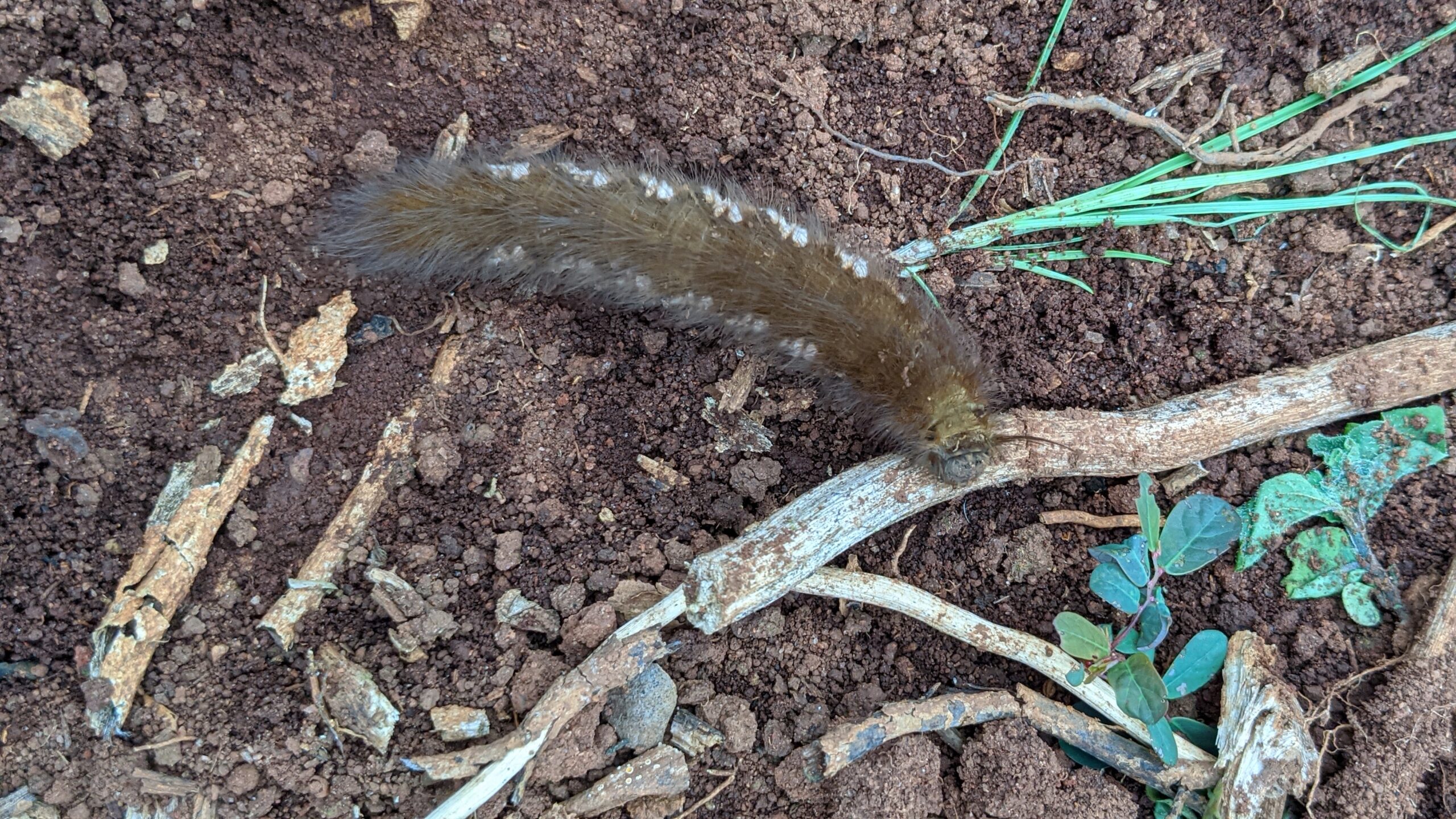
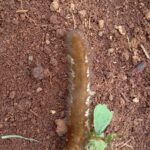
One of the most striking reminders of this interconnectedness comes from the creatures we often meet on our farms. Among them is the fascinating hairy caterpillar, scientifically known as Lonomia obliqua.
1. A Small Creature with a Big Role
At first glance, a caterpillar might seem insignificant, or even a nuisance in the eyes of conventional farming. Yet, these organisms are critical to maintaining ecological balance. The Lonomia species, like many caterpillars, occupies an important niche in the ecosystem:
Food Chain Contribution: Caterpillars serve as prey for birds, reptiles, amphibians, and other beneficial species. Their presence supports biodiversity by feeding higher levels of the food web.
Ecological Transformation: Through metamorphosis, they evolve into moths, which in turn support pollination and natural regeneration cycles in the environment.
Soil and Nutrient Cycling: By feeding on plant material, caterpillars participate in the natural recycling of organic matter, indirectly enriching the soil.
Did You Know?
- The hairy caterpillar Lonomia obliqua is sometimes called the “assassin caterpillar” because of the stinging spines on its body.
- Despite its defensive nature, it eventually transforms into a harmless silk moth.
- Caterpillars are considered bioindicators, meaning their presence (or absence) helps scientists measure the health of ecosystems.
- In regenerative farms, their survival shows that chemical pesticide use is minimized—a sign of ecological balance.
2. The Complexity of Co-Existence
It is important to note that Lonomia obliqua is also known for its defensive features. The tiny spines covering its body contain toxins that can cause irritation or even harm if touched. In conventional farming systems, such species are often destroyed or eliminated.
At STONEFARMS, however, we take a different path. Guided by our regenerative model, we recognize that every species whether plant, insect, or microorganism has a role to play in the resilience of ecosystems. Rather than eradicating them, we foster safe co-existence. This means educating our farmers, interns, and visitors on responsible handling, while allowing these species to fulfill their ecological functions undisturbed.
3. Farming with Nature, Not Against It
Our encounter with creatures like Lonomia obliqua highlights a powerful truth: agriculture and nature are not opposing forces they are partners. By adopting eco-friendly practices such as organic soil management, habitat preservation, and integrated pest management, We ensure that farming activities regenerate rather than deplete the environment.
This harmony between farming and nature benefits not only ecosystems but also communities. Healthier soils lead to more nutritious crops, diverse habitats sustain pollinators, and balanced ecosystems reduce dependence on chemical inputs. The result is farming that is sustainable, resilient, and deeply aligned with the rhythms of the natural world.
4. Our Commitment to Biodiversity
We are more than just a farming organisation. We are a hub for conservation, education, and empowerment. By showcasing the value of species like the hairy caterpillar, we remind ourselves and others that agriculture must be a force for life.
Biodiversity is not a luxury it is the foundation of resilient food systems and a healthy planet. And at STONEFARMS, we are proud to play our part in preserving it.
We don’t just grow crops in our farms and nurseries we nurture ecosystems.
So together, let us build a future where farming and nature thrive side by side.
By STONEFARMS Communication and Research Department