Blog post
How STONEFARMS is Advancing Agricultural Prosperity in Rural Cameroon
Saturday, July 4, 2026
From Knowledge to Action
How STONEFARMS is Advancing Agricultural Prosperity in Rural Cameroon
Agriculture remains the backbone of many rural communities in Cameroon, providing food, employment, and income for thousands of households. Yet despite the immense potential of the sector, many farmers continue to face challenges that limit their productivity and profitability. Poor market access, post-harvest losses, rising input costs, limited technical knowledge, and the effects of climate change remain significant barriers to sustainable agricultural development.
STONEFARMS believes these challenges can be overcome through knowledge, innovation, partnerships, and practical solutions that place farmers at the center of development.
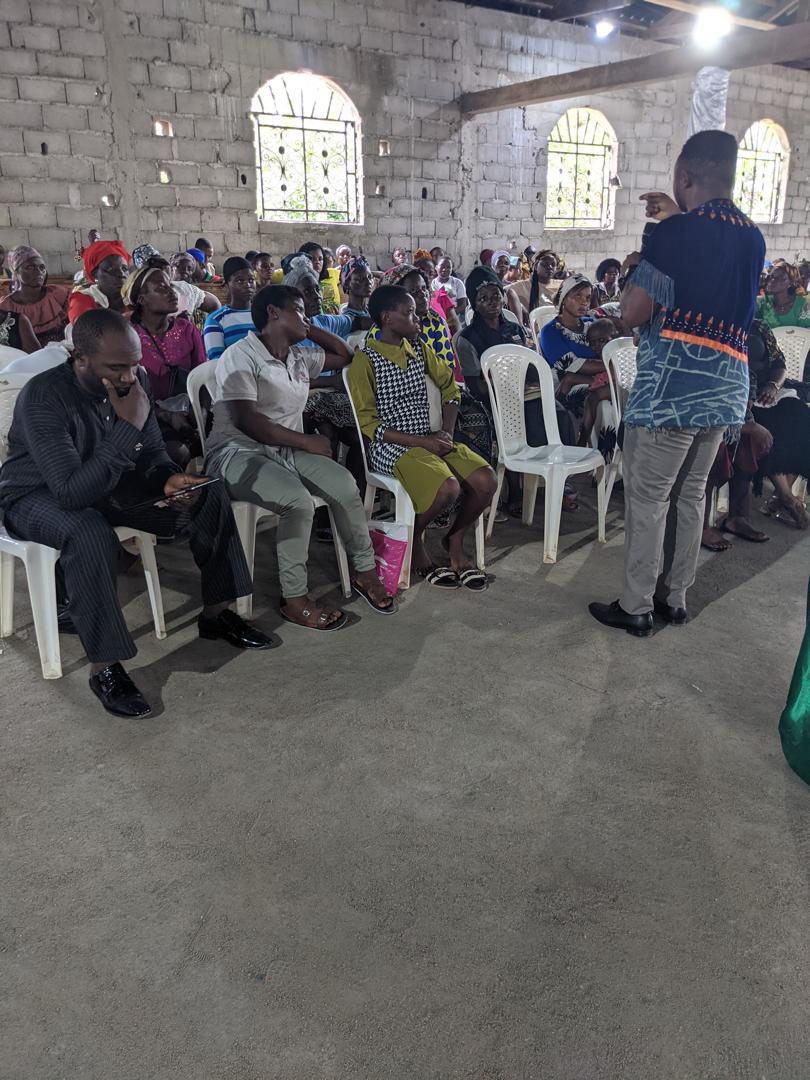
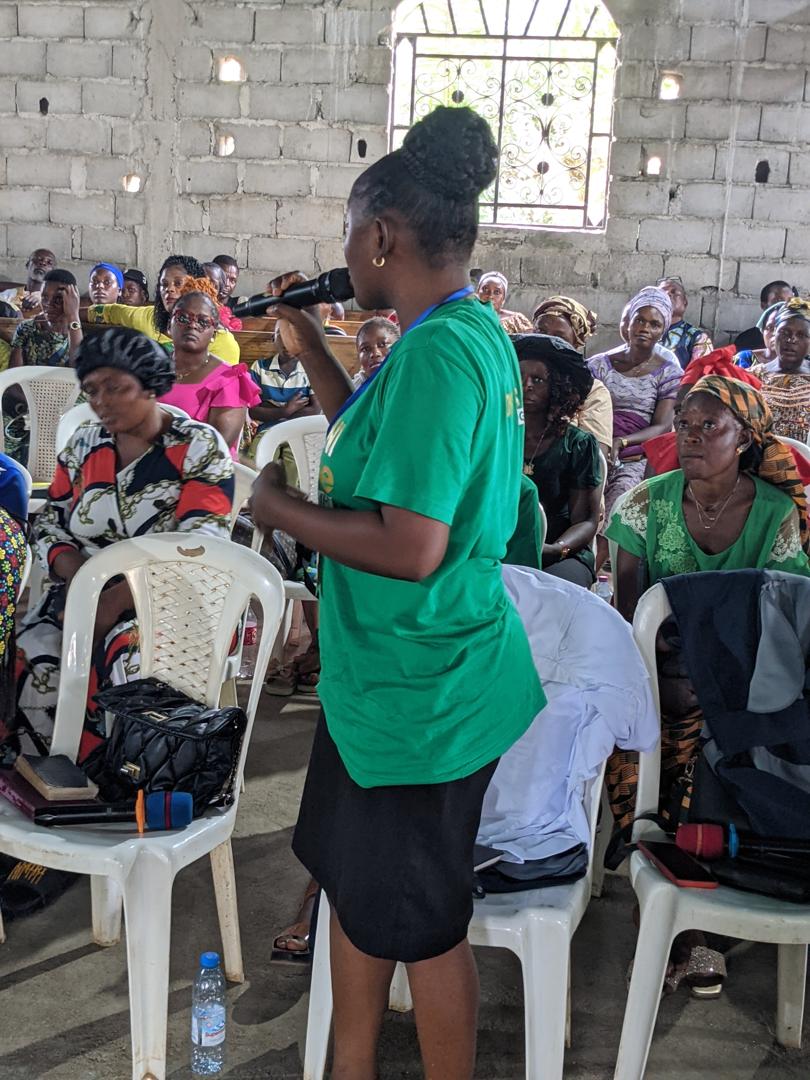
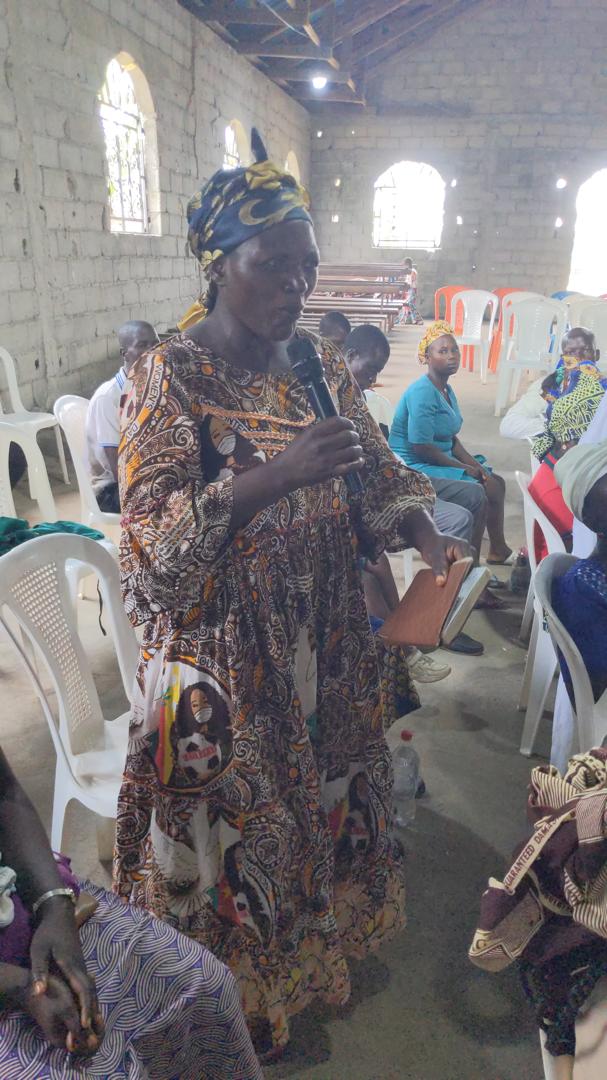
On Saturday 27 June 2026, STONEFARMS had the privilege of collaborating with Global Kingdom Builders Network (GKBNET), to facilitate a capacity-building workshop at Zion Baptist Church, SOCAPALM – Kribi. The training, titled “Pathways to Agricultural Prosperity and Sustainability,” brought together 63 participants, including 31 women, 22 young people, and 10 men, all eager to strengthen their farming enterprises and improve their livelihoods.
Building Prosperity Through Knowledge
The training focused on helping participants understand that modern agriculture is no longer just about producing more food—it is about building resilient, profitable, and environmentally sustainable farming enterprises.
Key topics included:
- Modern and sustainable farming practices.
- Soil health and responsible fertilizer use.
- Agribusiness and entrepreneurship.
- Farm financial management.
- Marketing and market access.
- Climate-smart agriculture.
- Value addition and agricultural transformation.
Participants actively shared their experiences, challenges, and aspirations, creating a highly interactive learning environment where knowledge flowed in both directions.
Listening to Farmers’ Real Challenges
One of the most valuable moments of the workshop came during the open discussion. While farmers acknowledged several production challenges, one issue consistently emerged as their greatest concern: access to markets.
Many participants explained that they often produce good harvests, only to watch their produce deteriorate in the fields because buyers are unavailable or arrive too late. This not only represents financial losses but also discourages continued investment in agriculture.
For STONEFARMS, this reinforced an important principle: `Agricultural success is measured not only by production but also by a farmer’s ability to sell profitably`.
From Discussion to Practical Solutions
Rather than ending the conversation with recommendations alone, the workshop focused on practical action. Participants were encouraged to organize themselves into cooperatives and producer groups to strengthen their bargaining power, improve access to markets, and reduce individual marketing challenges.
To provide immediate support, STONEFARMS also connected cassava producers with wholesale buyers and processing factories interested in sourcing cassava. The discussion naturally progressed toward value addition, where farmers explored the advantages of processing cassava into products such as high-quality flour, gari, starch, and other derivatives instead of relying solely on the sale of fresh roots. Adding value not only reduces post-harvest losses but also creates employment opportunities, improves incomes, and strengthens local economies.
Promoting Sustainable Farming Practices
Another concern raised by participants was the increasing cost of chemical fertilizers and the limited knowledge surrounding their safe and effective use. Recognizing this need, STONEFARMS committed to returning with a practical training program on the production and application of organic liquid fertilizers.
This initiative aligns with our commitment to promoting agroecology by helping farmers adopt affordable, locally available, and environmentally responsible alternatives that improve soil health while reducing production costs. Our goal is to equip farmers with practical skills that increase productivity without compromising the health of people or ecosystems.
The Power of Partnership
Community transformation is rarely achieved by one organization alone. Our collaboration with Global Kingdom Builders Network (GKBNET), under the leadership of Evangelist Bolak Bernard, demonstrates the value of partnerships in extending agricultural knowledge and services to rural communities.
We are equally grateful to the leadership and congregation of Zion Baptist Church, SOCAPALM – Kribi, for providing a welcoming platform where learning, dialogue, and community development could flourish. Together, we reached farmers who are eager to embrace innovation and improve their livelihoods.
Looking Ahead
The workshop marked the beginning—not the end—of a long-term engagement. Moving forward, STONEFARMS intends to continue supporting these farming communities through:
- Training on organic liquid fertilizer production.
- Capacity building in agroecological farming practices.
- Market linkage and agribusiness development.
- Value addition and small-scale processing.
- Cooperative strengthening.
- Technical advisory services and farm follow-up.
Our vision is to help transform agriculture from a subsistence activity into a profitable, resilient, and sustainable enterprise that empowers farmers, strengthens rural economies, and contributes to national food security.
About STONEFARMS
STONEFARMS is an agroecological organization committed to promoting sustainable agriculture, biodiversity conservation, climate resilience, community empowerment, and agribusiness development in Cameroon. Through training, consultancy, market linkage, research, and practical field support, we work alongside farmers and institutions to build agricultural systems that are productive, profitable, and environmentally sustainable.
Together, we are cultivating more than crops—we are cultivating opportunity, resilience, and hope for future generations